

Why Search Intent Matters in 2026
SEO is no longer simply about adding keywords to web pages and hoping they rank. Search engines have become better at understanding what users are actually looking for, while AI-powered search experiences are increasingly focused on providing direct and contextually relevant answers.
This makes search intent mapping an important part of modern SEO and content strategy.
Search intent refers to the reason behind a user’s search. Someone searching for “what is WordPress?” has a different goal from someone searching for “WordPress website development company.” Although both searches involve the same general topic, their expectations and likelihood of becoming a customer are different.
By understanding these differences, businesses can create content that matches what users need at each stage of their journey. The result can be better user experiences, stronger organic visibility, and more relevant leads.
What Is Search Intent Mapping?
Search intent mapping is the process of identifying the purpose behind different search queries and matching those queries with the most appropriate website content.
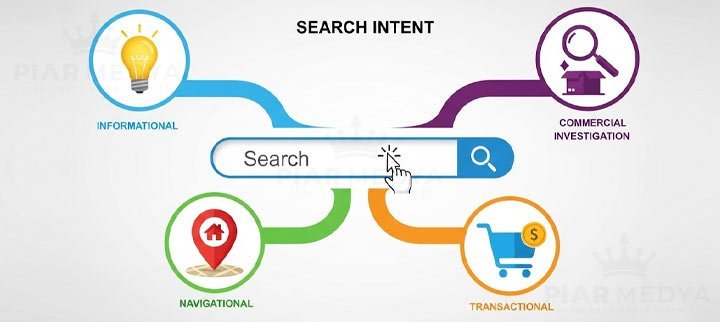
Search intent is commonly grouped into four categories:
Informational Intent
Users want to learn something or find an answer.
Examples include:
- What is SEO?
- How does website development work?
- What are website trust signals?
- How can I improve website speed?
Blog posts, guides, tutorials, and educational resources are generally suitable for these searches.
Commercial Investigation Intent
Users are researching solutions before making a decision.
Examples include:
- Best website development company
- WordPress vs custom website
- Best SEO services for small businesses
- Website development pricing
Comparison pages, service guides, case studies, and detailed landing pages can address this intent.
Transactional Intent
Users are ready to take an action such as purchasing a service, requesting a quote, or booking a consultation.
Examples include:
- Hire WordPress developer
- SEO services company
- Website development services
- Request website design quote
Service pages, product pages, pricing pages, and contact pages are usually more appropriate for these searches.
Navigational Intent
Users are trying to find a particular website, company, or page.
Examples include searches for a specific brand, company name, or service page.
Understanding these categories helps businesses avoid sending every visitor to the same type of page.
How Search Intent Mapping Improves Website Content
1. Creates More Relevant Content
When content matches search intent, visitors are more likely to find the information they expected.
For example, someone searching for “how to improve website security” probably wants an educational guide. Sending that visitor directly to a sales-focused service page may not provide the information they need.
Instead, an informative article can answer the question and then naturally introduce relevant services for visitors who want professional assistance.
This approach creates a smoother journey from information discovery to potential conversion.
2. Helps Businesses Target Different Customer Stages
Not every visitor is ready to become a customer immediately.
A person may first discover a business through an educational blog, return later to compare solutions, and eventually visit a service page when they are ready to make an enquiry.
Search intent mapping allows businesses to create content for these different stages.
A useful content journey might look like:
Informational article → comparison guide → service page → enquiry
This structure can help businesses build relationships with visitors instead of focusing only on immediate conversions.
3. Improves Lead Quality
Website traffic alone does not guarantee business growth. A website may receive thousands of visitors but generate relatively few qualified enquiries if its content does not attract the right audience.
Search intent mapping helps businesses focus on queries that are closely connected to their products or services.
For example, a website development business targeting Qatar may create informational content about website planning, comparison content about development options, and commercial pages targeting customers actively looking for a website development company in Qatar.
Each page serves a different intent while contributing to the overall customer journey.
Search Intent and AI-Powered Search
AI is changing how users interact with search engines. Instead of entering several short searches, users can increasingly ask detailed questions using natural language.
For example, a user might search:
“Which website platform is suitable for a small business that needs an SEO-friendly website and expects to expand later?”
This query contains multiple requirements and a clear decision-making intent.
Businesses should therefore move beyond exact-match keywords and understand the broader questions surrounding their topics.
AI-powered search systems can interpret relationships between concepts, questions, entities, and content. While businesses cannot guarantee that their pages will appear in AI-generated results, creating clear and comprehensive content can help make information easier for search systems and users to understand.
Businesses should focus on:
- Answering specific customer questions.
- Using clear headings.
- Covering related subtopics naturally.
- Providing accurate and useful information.
- Demonstrating relevant expertise.
- Keeping important content updated.
AI tools can help identify common questions and organize content ideas, but human review is still important for accuracy, originality, and business relevance.
How to Build a Search Intent Map
Step 1: Collect Your Target Keywords
Start with the keywords relevant to your services, products, and audience. Include primary keywords as well as long-tail questions and related searches.
Do not focus exclusively on search volume. A lower-volume keyword with strong commercial relevance may be more valuable than a high-volume query that attracts visitors who are unlikely to become customers.
Step 2: Identify the Intent Behind Each Keyword
Review the search results and consider what users appear to expect.
Ask:
- Are most results blog articles?
- Are service pages ranking?
- Are comparison pages common?
- Are users looking for products?
- Are there location-specific results?
The current search results can provide useful clues about the dominant intent for a query.
Step 3: Match Keywords to Existing Pages
Create a list of your website pages and determine which search queries each page should target.
For example:
| Search Intent | Suitable Content |
| Informational | Blog / Guide |
| Commercial | Comparison / Case Study |
| Transactional | Service / Landing Page |
| Navigational | Brand / Location Page |
This helps prevent unrelated keywords from being forced into the same page.
Step 4: Identify Content Gaps
If important customer questions do not have a suitable page, create new content.
For example, a business may have a website development service page but no supporting articles explaining website costs, development processes, platform options, security, or maintenance.
These supporting resources can strengthen the overall content ecosystem.
Step 5: Connect Related Pages
Use internal links to guide visitors between pages that naturally support one another.
For example, an informational article about WordPress can link to a relevant WordPress service page for readers who want professional help.
For businesses looking for a WordPress Website Development Company, a well-structured website should make it easy to move from educational information toward relevant commercial pages without making every article overly promotional.
Search Intent Mapping for Local SEO
Local businesses can also use search intent mapping to create more relevant location-based content.
A company serving Qatar, for example, may need separate content for:
- Local service searches.
- City-specific searches.
- Industry-specific searches.
- Informational local queries.
- Commercial comparison searches.
Instead of creating multiple pages with nearly identical content, businesses should ensure that every location or service page provides genuinely useful and distinct information.
For businesses targeting Qatar, website development Qatar can be supported by informational content covering website costs, mobile optimization, ecommerce functionality, SEO, security, and other concerns relevant to local businesses.
Common Search Intent Mistakes
Businesses often make mistakes when creating SEO content because they focus heavily on keywords without considering the user’s actual goal.
Common problems include:
- Using informational keywords on highly promotional pages.
- Creating sales pages for users who are still researching.
- Targeting several different intents with one page.
- Ignoring long-tail questions.
- Creating duplicate location pages.
- Writing content only for search engines.
- Failing to update outdated content.
- Measuring traffic without considering lead quality.
A page can rank well and still perform poorly if it does not satisfy the expectations of the visitors it attracts.
Measuring the Impact of Search Intent Mapping
Businesses should evaluate whether their content is attracting the right audience and supporting business objectives.
Useful metrics include:
- Organic traffic.
- Search impressions.
- Click-through rate.
- Engagement.
- Time spent on relevant pages.
- Form submissions.
- Qualified leads.
- Conversion rate.
- Assisted conversions.
Lead quality is particularly important. If a content update produces fewer visitors but significantly more relevant enquiries, the change may still provide meaningful business value.
Conclusion: Match Content With What Customers Actually Want
Search intent mapping helps businesses move from keyword-focused SEO toward a more customer-focused content strategy. By understanding why people search, businesses can create pages that provide the right information at the right stage of the customer journey.
In 2026, this becomes even more important as search engines and AI-powered systems increasingly interpret context, natural-language questions, and relationships between topics.
The goal should not simply be to rank for more keywords. Businesses should create useful content that answers real questions, supports informed decisions, and naturally guides relevant visitors toward the next step.
When search intent, content, website structure, and conversion goals work together, SEO can become a stronger source of qualified and sustainable business leads.